Why This Balance Is So Hard to Find
Clinical rotations require a different type of energy than classroom learning — long shifts, physical stamina, emotional labor, constant problem solving on your feet. Many students simply do not have the mental bandwidth left at the end of a clinical day to do hours of traditional studying. This is exactly why you need a different approach rather than trying to force a standard study schedule onto clinical days.
Rethink the concept of “studying” on clinical days
- Set your expectations about what those days can realistically accommodate and do not expect yourself to do long study sessions after a taxing clinical shift.
- Do not treat every day as an equal study opportunity. Plan for lighter review on clinical days.
- Do not save all study for evening blocks, use small windows of downtime, like between patients or during your commute, to review quickly.
- Expect fewer days for studying during clinical and plan your overall study schedule accordingly rather than trying to fight it.
Use Clinical Experience as HESI Preparation
- One of the most under-utilized strategies is to realize that clinical rotations themselves reinforce content directly relevant to your HESI exam.
- Connect your observations to content you have learned in tests such as patterns of vital signs, medication administration, or patient assessment during your shifts.
- Mentally review concepts relevant to routine tasks (e.g., recall normal lab values when reviewing a patient’s chart).
- Ask questions in clinical that help you understand things better. Sometimes you understand things better when you have to explain it in the context of a real patient rather than just reading it in a book.
- This does not replace studying but it does mean your clinical hours do not completely separate from studying for the HESI.
Create a Realistic Weekly Study Plan
- Instead of a fixed daily schedule, create a flexible weekly framework that accommodates the natural ebbs and flows of your energy and availability.
- In particular, identify your days of lower demand – usually non-clinical days – and schedule you are longer, more intensive study blocks on these days.
- Schedule clinical days for lighter review like flashcards, short practice question sets, or short audio reviews during your commute.
- Incorporate at least one full rest day per week, understanding that persistent burnout will erode your clinical performance and exam preparation.
Make Good Use of Micro-Study Sessions
With limited time available, short focused study sessions often work better than forcing long blocks into an already packed schedule. Have flashcards or a practice question app ready for 10-15 minute review sessions in small gaps of your day. In a short period, do not try to cover a lot of ground, but address one concept per micro-session. Listen to audio reviews on the way to work such as recorded notes or educational podcasts on relevant nursing topics.
Tell people what you need, if you can.
- If your HESI exam timeline causes major scheduling conflicts, you should talk with your clinical instructor or advisor; there may be some flexibility.
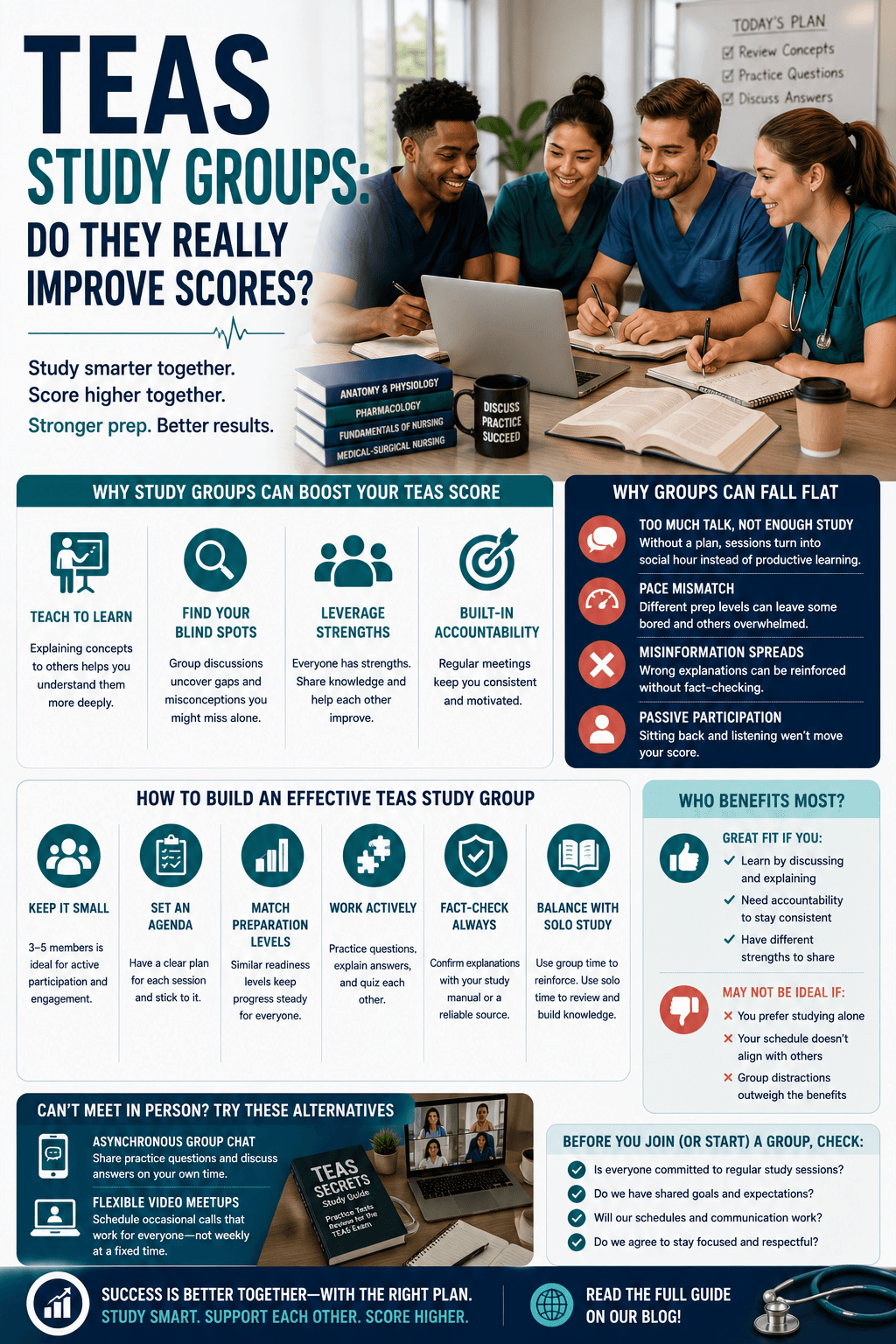
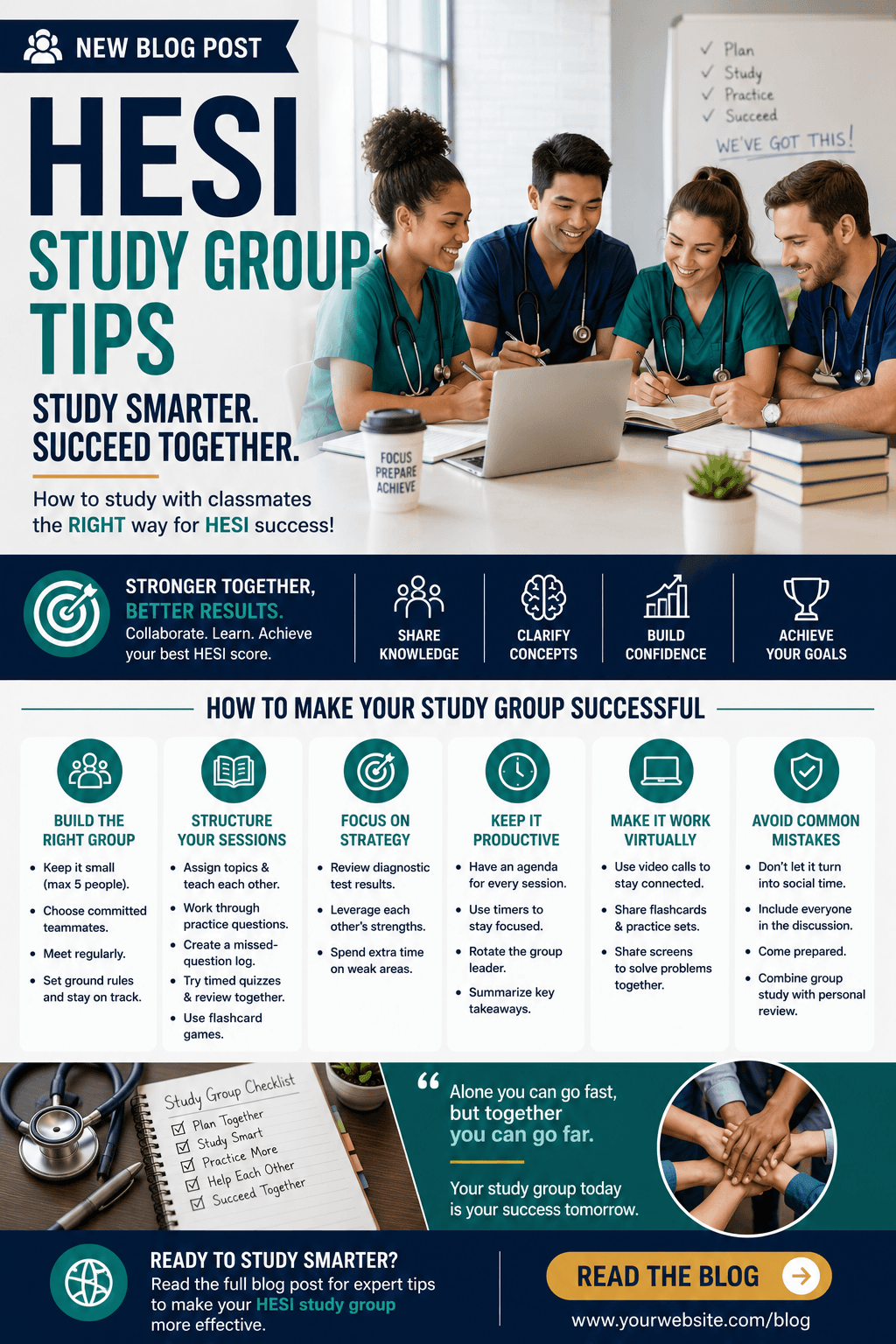
- Find classmates with similar schedules to work with, maybe as a study group to meet during the common non-clinical time.
- Be honest with yourself about your limits, and adjust your study plan instead of pushing through exhaustion that could affect both your clinical performance and readiness for the exam.
Taking Care of Yourself While You Juggle
- Managing both clinical and exam prep simultaneously is truly challenging, and taking care of your basic wellbeing is just as important as study time.
- Prioritize sleep, even when you feel squeezed for study time. Fatigue will degrade your clinical performance and exam readiness.
- Eat meals on a regular schedule during long clinical days; do not skip meals so that you will have more time to study afterward.
- Work in real breaks. Constant unbroken work usually backfires, not improves results.
Summary
Balancing clinical rotations and HESI exam prep is no easy feat, but you can make it a little easier by adjusting your expectations, using short bursts of time wisely, and realizing that your clinical experience itself reinforces relevant content. Do not try to jam a traditional study schedule into an atypical, demanding routine. Build a flexible plan that reflects your real energy levels and time constraints. In addition, keep in mind that prioritizing your overall wellbeing during this process supports both your clinical performance and exam preparation.