Why Students Vary So Much in Difficulty
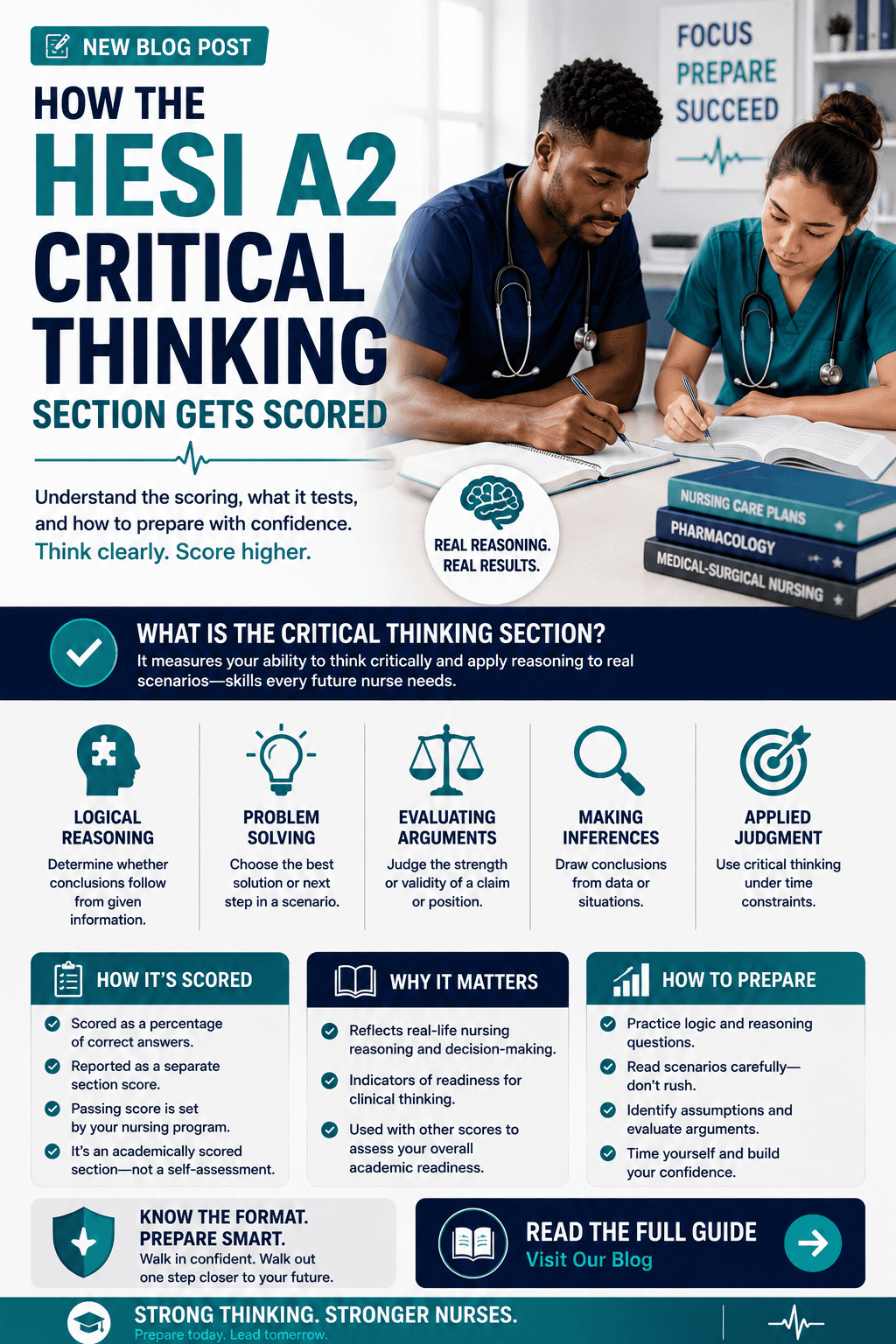
The HESI A2 covers a broad spectrum of academic topics including math, reading, anatomy, biology and chemistry. It is not nursing-specific knowledge that is tested in this. It is general academic skills. It depends a lot on your personal educational background how difficult the exam feels.
A student fresh from hard work in the sciences might find chapters such as anatomy and chemistry easy, while a student coming back to school after several years away from academics might need a lot more review time to be comfortable in those same areas.
Sections that are commonly difficult for students
- When nursing students discuss what they found the most difficult on the HESI A2, there are certain sections that come up repeatedly.
- The math and dosage calculations are usually the most stressful section due to the multi-step set up process required and the time pressure.
- Chemistry can be challenging for students who have not taken a chemistry class in a while. Foundational concepts can feel foreign without a recent academic refresher.
- Vocabulary can be surprisingly tricky, drawing on both general academic language and medical terminology that is not always intuitive.
Sections That Students Often Find More Manageable
- Some sections, on the other hand, tend to be less often cited as major sources of stress.
- For students who read regularly, reading comprehension is often said to be relatively easy, but it can still trip up students who race through passages.
- Grammar can seem easier to students who already have a good understanding of writing and sentence structure.
- Students, who have recently taken related courses, even if not specifically nursing courses, often find anatomy and physiology to be more intuitive.
Why the exam feels tougher than it should be
Besides content difficulty itself, a few common factors seem to make the HESI A2 experience more stressful than it needs to be.
- Time pressure – many students say they feel rushed, particularly on the math and reading sections, even if they did understand the material itself.
- The format is different — students who do not do practice tests often say they are surprised by the pacing and structure on their first try.
- No clear study plan – this can leave students feeling less prepared than students who identified and targeted specific weak areas in advance, with broad, unfocused studying.
- Students say they feel more stressed about the pressure of the exam than the content.
Is The HESI A2 More Difficult Than Other Nursing Entrance Exams?
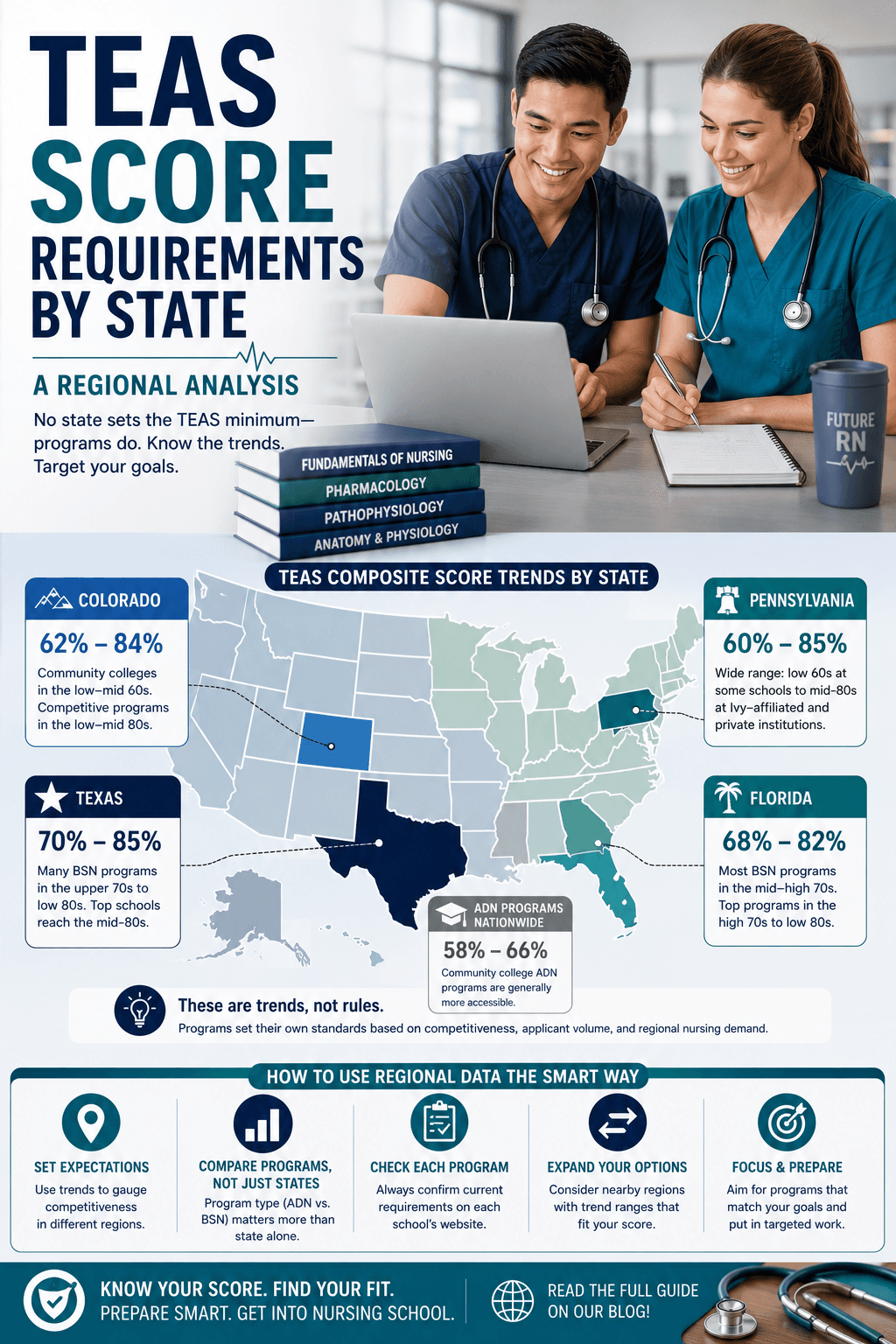
Opinions vary from other common nursing entrance exams such as the ATI TEAS or Kaplan’s KNAT. Some students find the HESI A2’s more intensive science focus more challenging than the TEAS, while others find the math section to be more predictable and approachable once they have practiced the format. After all, when it comes to comparing the difficulty of exams, the differences often lie as much in personal strengths as in the exams themselves.
What Makes the Test Feel More Manageable?
Many students who feel adequately prepared mention a few common strategies
- Taking a practice diagnostic test early instead of guessing what subjects need to be reviewed.
- Practicing with a clock, especially to reduce the anxiety that comes with unfamiliar pacing.
- Spend study time on your own weak areas, not equally reviewing every subject regardless of how confident you are.
- Instead of cramming the last few days before the exam, prepare weeks in advance.
Conclusion
Is the HESI A2 hard? There is no one answer to this question. It really depends on your academic background and how you prepare for the exam. Math and chemistry tend to be more difficult for students than reading or grammar. However, a student who practices regularly, studies in a focused way, and becomes familiar with the test format can see a dramatic difference in how manageable the test seems. Do not fret about how difficult the exam is overall, but pour your energy into understanding your own strengths and weaknesses -- that is what will shape your actual experience on test day.