What Are Questions for Case Study?
The case study question type provides a long patient scenario (usually with background history, current symptoms, vital signs, and any pertinent lab or diagnostic information) and a series of questions, all related to the same patient case. Instead of considering each question independently, the context of the case as a whole should be used to answer each subsequent question, as subsequent questions often follow immediately from earlier details or introduce new information that modifies the clinical picture.
This format better reflects the reality of clinical practice, where a patient's condition changes over time and requires continual reassessment rather than one isolated judgment call.
Why does this look different from typical questions?
Case study questions require a different type of mental tracking than stand-alone questions you have to hang onto details and come back to them over several questions, instead of resetting your thinking with each question.
During the case, you may be provided with new information half way through, and will be required to update your understanding of the patient’s condition as the scenario unfolds. These questions may refer indirectly to previous details, and you will need to remember specific information from earlier in the case without it being restated explicitly. The effects of misreading initial details are compounded, because a misunderstanding early in the case can influence your reasoning on a number of subsequent questions.
The Usual Format of a HESI Case Study
The case studies differ in detail, but follow a general pattern.
- An introductory case consists of the patient’s basic demographics, presenting complaints, and relevant medical history.
- More and more information is provided. For example, new vital signs, lab results, or changes to the patient as the case progresses.
- Throughout the scenario, you will be asked questions to gauge your understanding of the patient’s condition at that point in the unfolding scenario.
- Subsequent questions can then be asked about proper interventions, prioritization, or expected complications based on the cumulative information presented up to that point.
How to Answer Case Study Questions: a Systematic Guide
- Step 1: Read the entire initial scenario completely before answering anything. Try not to jump straight to the first question, because a clear understanding of the baseline scenario forms the basis for everything that follows.
- Step 2. Jot down a few important details in your mind or on paper. Write down key facts — vital signs, chief complaints, relevant history — so that you can refer to them quickly as new questions arise, rather than reading the entire case over and over again.
- Step 3: Answer each question with the information available up to that point. Watch out for folding in details that are told later in the case into questions that come earlier in the sequence, because this can lead to answers based on info you technically did not have yet given the context of that particular question.
- Step 4: Watch the case as it progresses for new information. Pay close attention to any new vital signs, symptoms, or lab values that are introduced mid-way through, as these often signal a shift in the correct clinical reasoning for the questions that follow.
- Step 5: Re-evaluate your understanding of the patient’s condition with each new piece of information. Do not think of the clinical picture as fixed throughout the case, but rather that each piece of new information is a potential update to the overall picture.
- Step 6: Elimination based on the whole case, not just the current question. Often, case-specific details will help you eliminate otherwise plausible-sounding answer choices.
Pitfalls to Avoid
- Hurrying through the first scenario and missing some basic facts that matter a lot later in the questions.
- Forgetting earlier details as the case progresses, especially in longer case studies with multiple sequential questions.
- Answering earlier questions using information from later in the case. This can result in answering questions based on details that were not, in fact, available at that point in the scenario.
- Treating each question as completely stand alone, disregarding the cumulative, building nature of the case study format.
- Case studies are long so I tend to breeze through them when in fact this format often requires more careful reading than your normal standalone questions.
How to Practice Case Study Questions Well
- Look for practice materials specific to this case-study format, as it requires different practice than just reviewing standalone questions.
- Practice tracking key details as you read to develop a habit of extracting and organizing important information quickly.
- Review these missed questions on the case studies and pay special attention. Did you misinterpret the original scenario? Did you miss an update? Did you misapply information from one question to another?
- Practice case studies with timer Case studies often take longer to read through and reason about than individual questions.
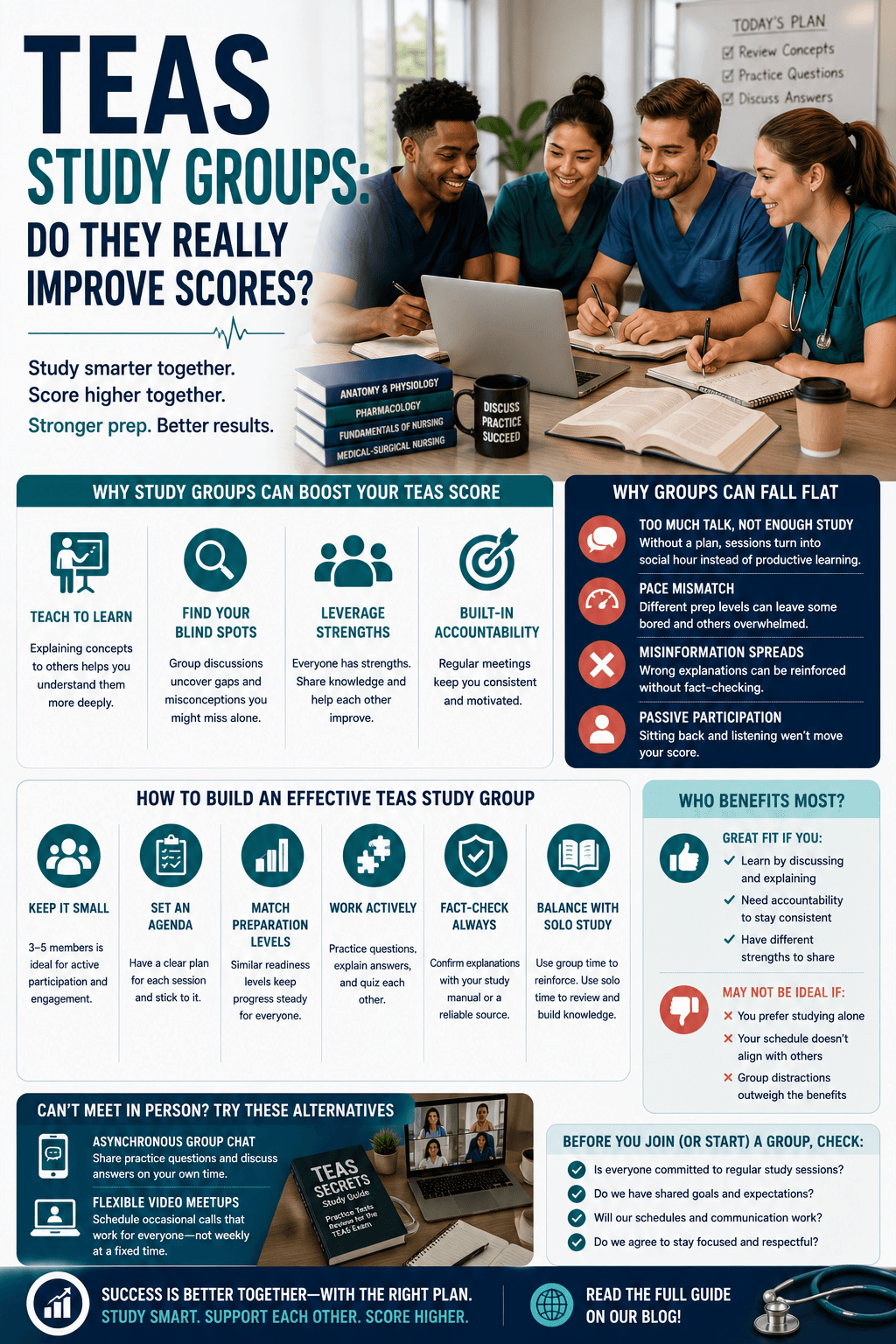
- Discuss case studies with your classmates or study groups. Talking together about the changing clinical picture can help solidify your ability to follow and reason through complex situations.
Why This Format Matters Outside of the Exam
Case study questions are not just an oddity of the exam format; they mimic real-life clinical practice, where patient conditions change, and nurses must re-evaluate and update their understanding as new information arises. Getting comfortable with this format on the HESI exam also develops a truly useful clinical reasoning skill that you will use throughout your career as a nurse, because actual patients rarely present with one single, static clinical picture.
Last Thoughts
Case study questions are a different breed of standalone questions. Case study questions are longer, constantly changing, and require a different preparation strategy and in-moment strategy. By paying attention to initial scenarios, following important details as the case plays out, and changing your thinking as new information is shared, you will be able to use this format with the same confidence you have with more traditional question types. With deliberate practice, this once-dreaded format is just another opportunity to demonstrate the kind of continuous, adaptive clinical reasoning that defines great nursing practice.