1. The testing room setting might be more distracting than you think
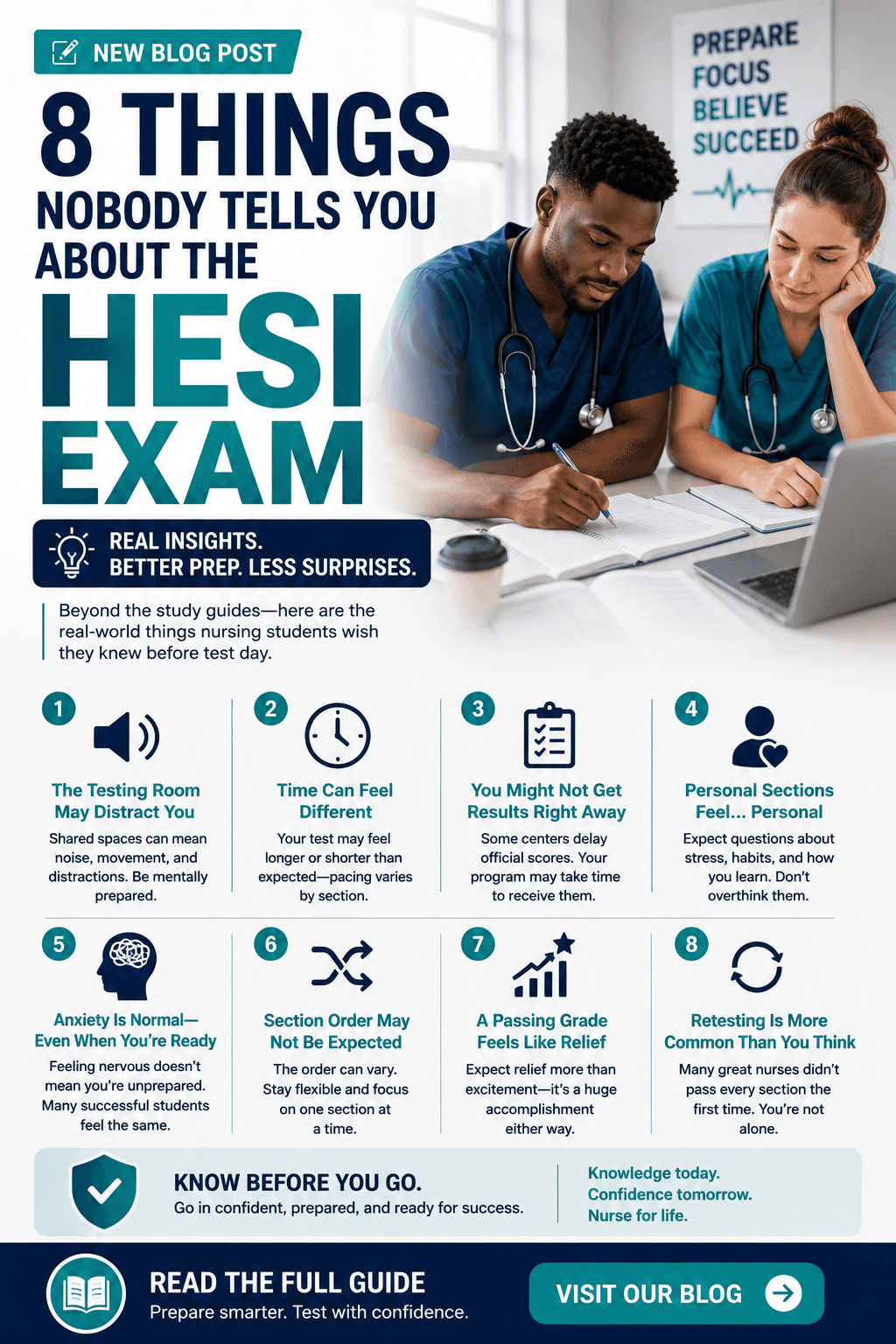
Most students picture a testing center as a quiet, distraction-free environment, but it is not always like that. Testing centers often administer several different exams in the same room at the same time, so other test-takers may be working on completely different exams.
There is often typing, or some movement, or ambient noise. Get yourself mentally ready for a shared environment, not total silence. Occasionally, noise-canceling headphones or earplugs are provided, but it is best to check with your specific testing center ahead of time, rather than assume so.
2. Your test may take longer or shorter than anticipated
Even if you think you know roughly how long your exam should take, the actual pacing can feel different when you are in the moment. Some parts feel faster than you would think, particularly when you are absorbed in answering questions, and other parts can feel like they drag, particularly with tougher material. Breaks between sections, if any, can change your overall sense of time, and sometimes can make the overall experience feel longer than just the raw testing time.
3. You Might Not See Results Immediately
Many students expect to see their score immediately after finishing the exam but that is not always the case. Some testing centers will provide you with unofficial results immediately, while others will require you to wait for your official results while they process the scores. Official score reports are sent to your nursing program and may take longer than any immediate results you see on-screen, so do not assume your program has your results the moment you finish testing.
4. The Personality and Learning Style Sections Can Feel Awkwardly Personal
Some students are surprised at how introspective some non-academic sections can be. They may ask about how you cope with stress, your communication style or your personal habits. These can feel quite personal compared to the academic sections .Don’t overthink these responses, as they are usually not scored competitively, but it is worth mentally preparing for this shift in tone partway thru the exam.
5. You Can Still Get Test Anxiety Even If You Are Prepared
Most of the students believe that the better they prepare, the less nervous they will be. Even well prepared students say they feel anxiety in the moments before and during the exam, no matter how much they have studied. This anxiety is not a true indicator of your preparedness, and many students who have been nervous during their exam have still done well.
6. Section Order May Not Be What You Expect
Some students believe they can look up the exact order of sections from general information on the web, only to discover that their test is different. The order of the sections may vary, depending on how your program has configured the exam, so you might want to check with your program instead of assuming a universal order. Here, mental flexibility is useful, as being prepared for a different order than you anticipate can help to prevent unnecessary confusion once you are in the testing room.
7. The Triumph of a Passing Grade Isn't Always What You'd Expect
Students tend to have many expectations about their results most of the time, but it is less exciting than they are thot it would be when they find out their score. The prevailing emotion is often relief, rather than the intense excitement that many students anticipate in advance. That is very normal, and it does not take away from the very real accomplishment of completing the requirements of your program — it is just good to know in advance.
8. It Feels Like You’re Taking The Exam Again More Than You Are
Perhaps the most reassuring “no one tells you” reality involves how normalized retesting actually is, despite how isolating it can feel in the moment. Not all students who end up with very good scores pass every section on their first try. It’s just that this experience isn’t discussed as publicly as first-time success stories, giving a false impression that retesting is less frequent or more shameful than it truly island this is a common outcome . Programs develop structured retest policies for this very reason, not as an afterthought for a small minority of students.
Significance of These Details
If you are familiar with these practical, often unwritten realities ahead of time, you can go into your HESI exam with a more accurate sense of what to expect, making it less likely that you will be caught off guard by details that are simply not covered in the official prep materials. Knowing that some anxiety is normal, that testing environments aren’t always completely silent and that retesting is far more common than it feels like it is talked about can all help you feel calmer and more grounded on your exam day.
Conclusion
Along with the actual content review and registration logistics, there is a kind of real-world insight about the HESI exam that usually only comes from students who have already been thru the process themselves. Knowing what to expect from the testing environment, what it might feel like to get results, and how often retesting really happens helps you take a more realistic, less anxious approach to the whole process — with the kind of knowledge that official study guides don’t always think to include.